Who are the big winners in the jumps racing season so far?

(Stock ID: 2513839143)
With the turn of the new year, the National Hunt racing season is hurtling toward the major spring meetings at a rate of knots. The Cheltenham Festival in March, and the following Grand National meeting at Aintree in April, are what the jumps build up to from the start of the campaign in October, and the countdown is firmly on.
For punters and form-watchers alike, early-season Grade 1s often shape opinion on markets available through platforms such as Betdaq, with the betting exchange providing a useful barometer of confidence behind the leading contenders.
There have already been plenty of clues for both spring showpieces, and at the time of writing, we have officially witnessed the first Grade 1s of the British jumps season. So, without further ado, let’s take a look at those who have claimed the big prizes so far.
Lancashire Chase – Grey Dawning
The Skelton brothers have enjoyed another fantastic start to the season, and they landed the first Grade 1 of the year with Grey Dawning in the Lancashire Chase at Haydock. The likeable grey won as easily as Dan and Harry Skelton would have hoped, easing clear for an almost three-length success over Royale Pagaille.
Fighting Fifth Hurdle – Golden Ace
From Haydock up to Newcastle, the Fighting Fifth Hurdle delivered drama in abundance. Constitution Hill, The New Lion and Golden Ace were among the stars, but chaos ensued as Constitution Hill crashed out early and The New Lion followed suit late on. That left Golden Ace to pick up the pieces, showing both resilience and class in a victory that echoed her Champion Hurdle success last spring.
Henry VIII Novices’ Chase – Lulamba
Lulamba made a superb start to his chasing career with a wide-margin win at Exeter, and he followed up in almost identical fashion in the Henry VIII Novices’ Chase at Sandown. Beating Be Aware by around 10 lengths, the five-year-old looked every inch a top-class novice and has a strong chance of extending Nicky Henderson’s remarkable Arkle record to nine wins.
Tingle Creek Chase – Il Etait Temps
Staying at Sandown, the Tingle Creek was the headline act on the same card, and Willie Mullins’ Il Etait Temps denied Henderson a Grade 1 double. The Irish raider produced a devastating display, stretching clear for a commanding nine-length victory over Jonbon, who was bidding for a third win in the race for the Seven Barrows handler.
Long Walk Hurdle – Impose Toi
Henderson was back in the winners’ enclosure for his second Grade 1 of the campaign as Impose Toi landed the Long Walk Hurdle at Ascot in December. Owned by JP McManus, the gelding was produced with a well-timed challenge, taking the lead at the last and staying on strongly to see off Olly Murphy’s Strong Leader.
Kauto Star Novices’ Chase – Kitzbuhel
The first of three Grade 1s on Kempton Park’s traditional Boxing Day card, the Kauto Star Novices’ Chase once again went to Mullins and Paul Townend. Racing in the famous Donnelly silks, Kitzbuhel made all in the three-mile contest, jumping soundly throughout to score by almost three lengths and underline his credentials as a leading novice chaser.
Christmas Hurdle – Sir Gino
Henderson claimed his third Grade 1 of the season in the Christmas Hurdle as Sir Gino made a triumphant return from an almost career-ending injury. Also owned by the Donnellys, the six-year-old was impressively fluent despite his long absence, pulling six lengths clear of Golden Ace in a performance that lit up Kempton.
King George VI Chase – The Jukebox Man
The biggest race of the season so far, and arguably second only to the Gold Cup in prestige, the King George VI Chase delivered a thriller. Four horses charged to the line together, with The Jukebox Man just prevailing from Banbridge, Gaelic Warrior and Jango Baie, all within half a length. It was an emotional victory for owner Harry Redknapp, one of racing’s most high-profile supporters.
Formby Novices’ Hurdle – Idaho Sun
There was a surprise on Boxing Day at Aintree as odds-on favourite, and Supreme Novices’ Hurdle market leader Mydaddypaddy was turned over in the Formby Novices’ Hurdle. Idaho Sun emerged victorious, as the Skelton runner failed to capitalise, with four omitted hurdles and a possibly lacklustre ride proving costly.
Challow Novices’ Hurdle – No Drama This End
While Paul Nicholls may no longer dominate as he once did, he still unearths the occasional gem. No Drama This End looks just that after remaining unbeaten over hurdles this season. His victory in the Challow Novices’ Hurdle at Newbury was his most impressive yet, marking him down as a horse with a bright future and a reminder that Ditcheat can still produce top-class talent.
 When Coneygree lined up for the Cheltenham Gold Cup in 2015, the historical odds stacked against him weren’t just long; they were monumental. For forty-one years, the Gold Cup had remained stubbornly out of reach for any horse still technically classed as a novice chaser. Forty-one years! That’s how far back you had to go—all the way to Captain Christy in 1974—to find a precedent. Who challenges steeplechasing’s blue riband, the most brutal test of all, with a horse on only its fourth start over fences? It just wasn’t done.
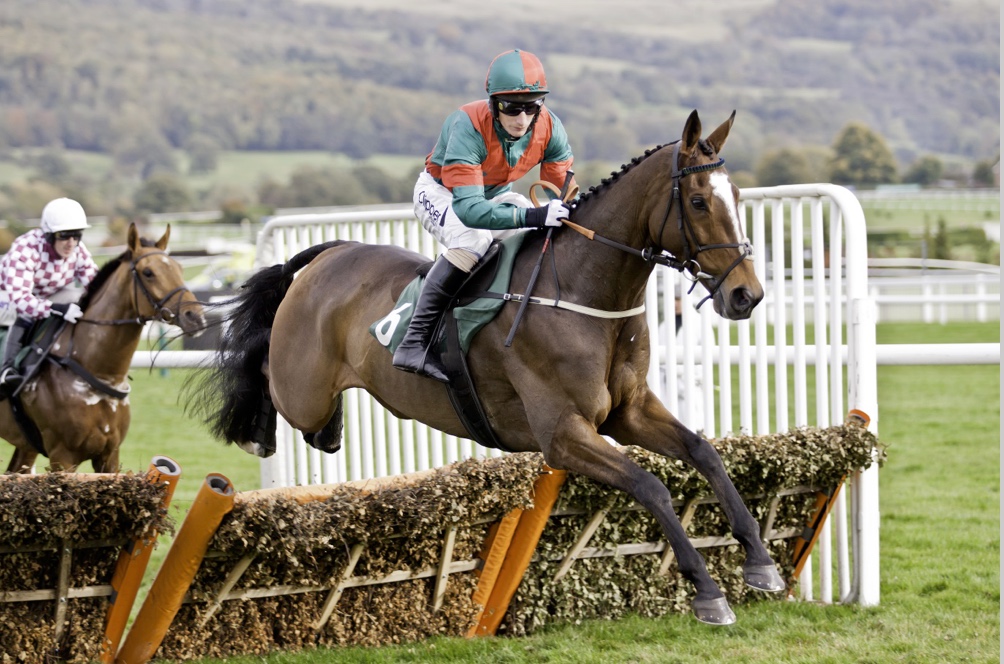 As Cheltenham Festival 2026 looms large, the Stayers’ Hurdle once again commands attention as the defining test for staying hurdlers. Run over approximately three miles on Cheltenham’s New Course, this Grade 1 race demands absolute stamina, strong jumping, and tactical intelligence.