Who are the big winners in the jumps racing season so far?
(Stock ID: 2513839143)

With the turn of the new year, the National Hunt racing season is hurtling toward the major spring meetings at a rate of knots. The Cheltenham Festival in March, and the following Grand National meeting at Aintree in April, are what the jumps build up to from the start of the campaign in October, and the countdown is firmly on.

For punters and form-watchers alike, early-season Grade 1s often shape opinion on markets available through platforms such as Betdaq, with the betting exchange providing a useful barometer of confidence behind the leading contenders.

There have already been plenty of clues for both spring showpieces, and at the time of writing, we have officially witnessed the first Grade 1s of the British jumps season. So, without further ado, let’s take a look at those who have claimed the big prizes so far.

Lancashire Chase – Grey Dawning

The Skelton brothers have enjoyed another fantastic start to the season, and they landed the first Grade 1 of the year with Grey Dawning in the Lancashire Chase at Haydock. The likeable grey won as easily as Dan and Harry Skelton would have hoped, easing clear for an almost three-length success over Royale Pagaille.

Fighting Fifth Hurdle – Golden Ace

From Haydock up to Newcastle, the Fighting Fifth Hurdle delivered drama in abundance. Constitution Hill, The New Lion and Golden Ace were among the stars, but chaos ensued as Constitution Hill crashed out early and The New Lion followed suit late on. That left Golden Ace to pick up the pieces, showing both resilience and class in a victory that echoed her Champion Hurdle success last spring.

Henry VIII Novices’ Chase – Lulamba

Lulamba made a superb start to his chasing career with a wide-margin win at Exeter, and he followed up in almost identical fashion in the Henry VIII Novices’ Chase at Sandown. Beating Be Aware by around 10 lengths, the five-year-old looked every inch a top-class novice and has a strong chance of extending Nicky Henderson’s remarkable Arkle record to nine wins.

Tingle Creek Chase – Il Etait Temps

Staying at Sandown, the Tingle Creek was the headline act on the same card, and Willie Mullins’ Il Etait Temps denied Henderson a Grade 1 double. The Irish raider produced a devastating display, stretching clear for a commanding nine-length victory over Jonbon, who was bidding for a third win in the race for the Seven Barrows handler.

Long Walk Hurdle – Impose Toi

Henderson was back in the winners’ enclosure for his second Grade 1 of the campaign as Impose Toi landed the Long Walk Hurdle at Ascot in December. Owned by JP McManus, the gelding was produced with a well-timed challenge, taking the lead at the last and staying on strongly to see off Olly Murphy’s Strong Leader.

Kauto Star Novices’ Chase – Kitzbuhel

The first of three Grade 1s on Kempton Park’s traditional Boxing Day card, the Kauto Star Novices’ Chase once again went to Mullins and Paul Townend. Racing in the famous Donnelly silks, Kitzbuhel made all in the three-mile contest, jumping soundly throughout to score by almost three lengths and underline his credentials as a leading novice chaser.

Christmas Hurdle – Sir Gino

Henderson claimed his third Grade 1 of the season in the Christmas Hurdle as Sir Gino made a triumphant return from an almost career-ending injury. Also owned by the Donnellys, the six-year-old was impressively fluent despite his long absence, pulling six lengths clear of Golden Ace in a performance that lit up Kempton.

King George VI Chase – The Jukebox Man

The biggest race of the season so far, and arguably second only to the Gold Cup in prestige, the King George VI Chase delivered a thriller. Four horses charged to the line together, with The Jukebox Man just prevailing from Banbridge, Gaelic Warrior and Jango Baie, all within half a length. It was an emotional victory for owner Harry Redknapp, one of racing’s most high-profile supporters.

Formby Novices’ Hurdle – Idaho Sun

There was a surprise on Boxing Day at Aintree as odds-on favourite, and Supreme Novices’ Hurdle market leader Mydaddypaddy was turned over in the Formby Novices’ Hurdle. Idaho Sun emerged victorious, as the Skelton runner failed to capitalise, with four omitted hurdles and a possibly lacklustre ride proving costly.

Challow Novices’ Hurdle – No Drama This End

While Paul Nicholls may no longer dominate as he once did, he still unearths the occasional gem. No Drama This End looks just that after remaining unbeaten over hurdles this season. His victory in the Challow Novices’ Hurdle at Newbury was his most impressive yet, marking him down as a horse with a bright future and a reminder that Ditcheat can still produce top-class talent.
Defying History: Coneygree’s Gold Cup Novice Shock

When Coneygree lined up for the Cheltenham Gold Cup in 2015, the historical odds stacked against him weren’t just long; they were monumental. For forty-one years, the Gold Cup had remained stubbornly out of reach for any horse still technically classed as a novice chaser. Forty-one years! That’s how far back you had to go—all the way to Captain Christy in 1974—to find a precedent. Who challenges steeplechasing’s blue riband, the most brutal test of all, with a horse on only its fourth start over fences? It just wasn’t done.
Ambition Over Tradition

The consensus seemed to be that trainer Mark Bradstock and his wife, Sara, should’ve kept their eight-year-old in the Brown Advisory Novices’ Chase. That was the sensible option, the safe choice for a horse learning his trade. But racing isn’t always about being sensible, is it? It’s about ambition and knowing exactly what you have in the stable. The Bradstocks, working from a small yard in Oxfordshire, had absolute faith in this injury-plagued gelding, bred by Sara’s late father, Lord Oaksey. They knew his class and the devastating engine he possessed.

Their confidence wasn’t blind, though. Leading into the Festival, Coneygree had been electrifying. He’d won the Grade 1 Kauto Star Novices’ Chase impressively, then trounced open company in the Denman Chase. He looked like a machine that finally had all its parts working perfectly. This is why the connection was so strong; punters who bet on Cheltenham often look for horses that hit form at just the right time in the season, and Coneygree was absolutely peaking when the calendar flipped to March. The overnight rain on Gold Cup day? That was just another tick in the plus column for the Bradstock camp. That extra cut in the ground played right into the hands of this powerful stayer, giving him an advantage over some of his flashier rivals. This was his moment, and everyone knew it.

The Front-Running Masterclass

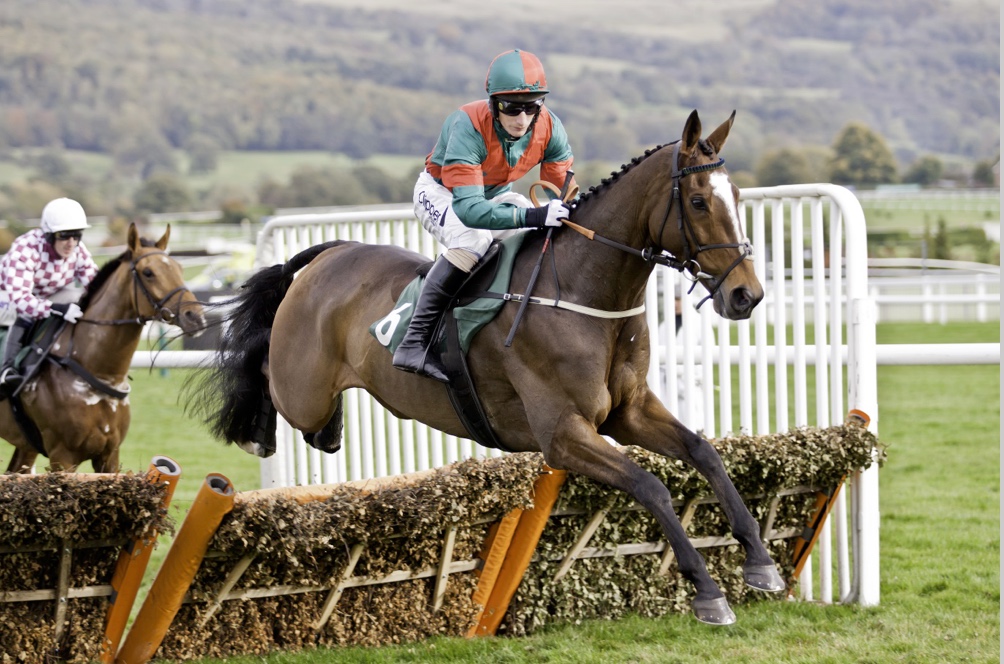
The race itself was vintage stuff, a proper front-running masterclass. Jockey Nico de Boinville, still relatively young and unknown, having worked notably with Sprinter Sacre, grabbed the lead immediately. He didn’t just set the pace; he turned the Gold Cup into a relentless, high-pressure jumping examination. Forget tactical manoeuvring or sitting and waiting; this was about sheer, aggressive gallop. The big names, the proven champions like Silviniaco Conti, who started favourite, couldn’t handle the tempo.

As they flew down the hill for the final time, the field started to disintegrate. It must have felt like a dream for those watching, yet you also had that nagging doubt: would the novice crack up the famously stiff Cheltenham hill? He would not. Djakadam tried his heart out, flying home under Ruby Walsh, but Coneygree just kept pulling, his head low, digging in. He crossed the line a length-and-a-half clear at 7/1.

It wasn’t just a win; it was a defiant victory for the underdog, for the small yard, and for gutsy ambition over cautious tradition. It proved that sometimes, in racing, the history books are just waiting to be rewritten by the fastest horse. What a day, right?

We’d love to hear your thoughts. Do you think we’ll ever see another novice win the Gold Cup again in our lifetime, or was Coneygree a one-off phenomenon? Let us know in the comments below!

Cheltenham 2026 Stayers’ Hurdle – top favourites and ante-post preview

As Cheltenham Festival 2026 looms large, the Stayers’ Hurdle once again commands attention as the defining test for staying hurdlers. Run over approximately three miles on Cheltenham’s New Course, this Grade 1 race demands absolute stamina, strong jumping, and tactical intelligence.
With connections already mapping out their spring campaigns, a handful of likely favourites have emerged in the ante-post betting markets, backed by form, experience, and staying pedigree. For those who bet on horse racing and stay up-to-date with the odds for staying contests – read on as we examine the leading contenders for the 2026 Stayers’ Hurdle and what makes each one a serious player in this championship event.

Teahupoo

At the head of most ante-post markets is Teahupoo, currently a joint or outright favourite according to several bookmakers and tipsters. Some bookmakers have him listed at 11/2, while others suggest he is the standout hope for 2026. A proven Grade 1 performer over staying trips, Teahupoo has already tasted Stayers’ Hurdle glory and will likely be targeted again by connections keen on returning to the top of Cheltenham’s longdistance hurdle division. According to many industry experts, experience and class make him the benchmark against which other stayers will be judged.

Ballyburn

Trained by Willie Mullins, Ballyburn is emerging as a serious challenger in the early betting for the 2026 renewal. At the time of writing, he appears at 5/1 odds. While he has been campaigned over fences during his novice career, his connections may drop him back to hurdling and target this threemile test. Some pundits note that Mullins’ decision to switch Ballyburn’s programme could make him ideally suited to the staying hurdle trip. Given his class, stamina, and the pedigree of his stable, Ballyburn is a compelling ante-post pick.

Bob Olinger

Bob Olinger, the 2025 Stayers’ Hurdle winner, remains firmly in the mix for 2026, despite being one of the older hopefuls. For those tipping Bob Olinger to finish first past the post, he is listed at 12/1 in many ante-post guides. His Festival record and proven staying-hurdle ability make him a danger, though age may be a factor — he will need to replicate his 2025 form to successfully defend his title. His previous success demonstrates that, under the right conditions, he still has the engine and the heart for Cheltenham.

The Yellow Clay

Another interesting candidate is The Yellow Clay, trained by Gordon Elliott. According to certain bookies, he is priced around 10/1 for the 2026 Stayers’ Hurdle. Many pundits agree that he’s among the leading names in the early betting, but view him a little further back than Teahupoo or Ballyburn. The Yellow Clay offers a mix of stamina and improvement, and if he can carry his form forward, he could thrive over three miles at Cheltenham and trouble the more established favourites.

Final Thoughts

The ante-post betting for the 2026 Stayers’ Hurdle suggests a fascinating showdown – Teahupoo remains the headline name, combining experience, class, and staying ability, while Ballyburn, under Willie Mullins, represents a bold and potentially inspired move if dropped to hurdling. Meanwhile, Bob Olinger, as the defending champion, carries the weight of expectation but also proven ability, while The Yellow Clay adds a touch of improving form.

As the Festival draws closer, keep an eye on how these horses are campaigned, whether ground conditions play to their strengths, and how connections plan their prep seasons. The Stayers’ Hurdle often rewards patient runners with heart and stamina — if Teahupoo repeats, or if a rising star like Ballyburn or The Yellow Clay upsets him, 2026 could be a classic renewal.

Why Horses Are Meant to Race: Understanding the Natural Athleticism of Equines

Horses have been part of human history for thousands of years, serving as companions, work animals, and athletes. Among their many roles, racing has emerged as one of the most celebrated and exciting aspects of equine life. From the thunder of hooves across racetracks to the thrill of competitive events worldwide, horse racing showcases the natural abilities, instincts, and physical design that make these animals extraordinary athletes. But why are horses so well-suited to race? On the other hand, if you want to try colorful world of GameZone Arcade, visit the platform today!

In this article, we explore the biological, evolutionary, and behavioral reasons behind horses’ racing capabilities.

The Anatomy of a Racing Horse

One of the primary reasons horses are meant to race lies in their anatomy. Horses are built for speed and endurance. Their long, muscular legs provide powerful propulsion, allowing them to cover ground quickly. The structure of their legs, including strong tendons and ligaments, enables efficient energy transfer from muscles to hooves, reducing fatigue over long distances.

Horses’ hooves also play a crucial role in racing. They act as natural shock absorbers, protecting the legs from impact while providing traction on various surfaces. Combined with their lightweight skeleton and strong cardiovascular system, horses are optimized for sustained running at high speeds.

Additionally, horses have a unique respiratory system that supports racing. Unlike humans, horses can increase their oxygen intake dramatically during a gallop because of a synchronized movement between breathing and stride. This coordination ensures that oxygen-rich blood reaches the muscles quickly, enhancing stamina and performance during races.

Evolutionary Traits Favor Racing

Horses are descendants of wild equines that roamed open plains. Evolution favored speed as a survival mechanism. Early horses needed to escape predators, cover large distances to find food, and compete for mates. These evolutionary pressures shaped their bodies and behaviors for running long distances efficiently.

Racing, therefore, is not an artificial imposition on horses—it aligns with their natural instincts. The gallop, a four-beat running gait, is a natural mode of locomotion for horses, designed for rapid acceleration. Thoroughbred and Arabian breeds, commonly used in racing, have been selectively bred for speed and agility over centuries, enhancing these innate abilities even further.

Behavioral Tendencies and Competitive Spirit

Horses are social animals with distinct behavioral traits that make them suited for racing. Herd animals in the wild often engage in play running, establishing dominance and hierarchy through speed and stamina. This instinctual drive translates well into competitive environments like racetracks.

Many horses exhibit a natural enthusiasm for movement, often galloping freely when given space. This eagerness to run, coupled with their trainable nature, makes them receptive to racing training. Horses also develop a competitive edge when in groups, responding to cues from other horses in the race. This social instinct allows them to push their limits during competitions.

Breeds Designed for Racing

Certain horse breeds are particularly suited for racing. Thoroughbreds are the most recognized, known for their speed, stamina, and agility. Their lean bodies, long legs, and deep chests allow for maximum lung capacity and cardiovascular efficiency, perfect for long-distance races.

Arabians, on the other hand, excel in endurance races due to their compact but muscular build, strong legs, and remarkable resilience. Quarter Horses are celebrated for sprinting over short distances, displaying explosive acceleration and quick reflexes. Each breed demonstrates how natural selection and selective breeding have reinforced horses’ aptitude for different types of racing.

The Role of Training and Human Partnership

While horses are naturally athletic, training hones their racing abilities. A structured regimen improves strength, speed, and endurance while ensuring safety. Experienced trainers understand a horse’s natural tendencies, temperament, and physical limits, helping to develop a race-ready athlete without compromising welfare.

Moreover, the human-horse partnership enhances performance. Skilled jockeys guide horses strategically, managing pacing and positioning during races. This collaboration respects the horse’s natural instincts while applying tactical techniques to maximize competitive potential. When done ethically, training and racing tap into the horse’s inherent abilities and instincts rather than forcing unnatural behaviors.

Racing as an Expression of Natural Ability

Horse racing is more than a sport—it is a celebration of equine potential. Watching a horse sprint down a racetrack is witnessing thousands of years of evolution and natural athleticism in action. The physical power, mental focus, and instinctual drive of a racehorse illustrate why these animals are uniquely suited for this activity.

Racing also provides an outlet for energy and mental stimulation. Horses are intelligent creatures that require both physical and psychological engagement. Racing satisfies these needs, giving horses a structured activity that complements their natural behaviors.

Health and Welfare Considerations

It is important to note that ethical racing emphasizes horse welfare. Regular veterinary care, proper nutrition, and balanced training schedules ensure that horses maintain peak performance without injury or stress. Modern racing regulations and organizations prioritize health, reflecting an understanding that horses can only reach their full potential when cared for responsibly.

Racing, when done correctly, aligns with horses’ natural capabilities and instincts. It provides them with purpose, stimulation, and a safe environment to exercise their natural speed and agility. This responsible approach ensures that racing remains a positive and enriching experience for equine athletes.

Cultural and Historical Significance

Horse racing is deeply embedded in human culture. From the ancient chariot races in Rome to modern international events like the Kentucky Derby, horses have been celebrated for their speed and spirit. These traditions reflect an appreciation of the horse’s natural talents and athleticism. Racing showcases the enduring bond between humans and horses, honoring their unique abilities in a structured and exhilarating context.

By highlighting the natural aptitude of horses, racing connects us to centuries of equine history and evolution. It reinforces respect for the animal’s strength, speed, and endurance while celebrating their contribution to human society.

Conclusion

Horses are not only built for running—they are designed for it. Their anatomy, evolutionary history, behavioral instincts, and trainable nature all point to racing as a natural expression of their abilities. Ethical training, proper care, and responsible racing practices allow horses to fulfill their potential, providing a thrilling spectacle for humans and a fulfilling, stimulating life for the animals themselves.

Understanding why horses are meant to race helps us appreciate the incredible combination of biology, instinct, and partnership that defines these majestic athletes. When we watch a racehorse in motion, we witness a living testament to nature’s design, evolution, and the enduring spirit of the horse.