Defying History: Coneygree’s Gold Cup Novice Shock
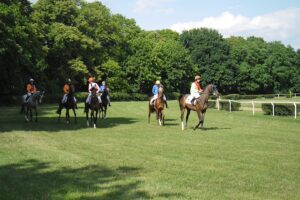 When Coneygree lined up for the Cheltenham Gold Cup in 2015, the historical odds stacked against him weren’t just long; they were monumental. For forty-one years, the Gold Cup had remained stubbornly out of reach for any horse still technically classed as a novice chaser. Forty-one years! That’s how far back you had to go—all the way to Captain Christy in 1974—to find a precedent. Who challenges steeplechasing’s blue riband, the most brutal test of all, with a horse on only its fourth start over fences? It just wasn’t done.
Ambition Over Tradition
The consensus seemed to be that trainer Mark Bradstock and his wife, Sara, should’ve kept their eight-year-old in the Brown Advisory Novices’ Chase. That was the sensible option, the safe choice for a horse learning his trade. But racing isn’t always about being sensible, is it? It’s about ambition and knowing exactly what you have in the stable. The Bradstocks, working from a small yard in Oxfordshire, had absolute faith in this injury-plagued gelding, bred by Sara’s late father, Lord Oaksey. They knew his class and the devastating engine he possessed.
Their confidence wasn’t blind, though. Leading into the Festival, Coneygree had been electrifying. He’d won the Grade 1 Kauto Star Novices’ Chase impressively, then trounced open company in the Denman Chase. He looked like a machine that finally had all its parts working perfectly. This is why the connection was so strong; punters who bet on Cheltenham often look for horses that hit form at just the right time in the season, and Coneygree was absolutely peaking when the calendar flipped to March. The overnight rain on Gold Cup day? That was just another tick in the plus column for the Bradstock camp. That extra cut in the ground played right into the hands of this powerful stayer, giving him an advantage over some of his flashier rivals. This was his moment, and everyone knew it.
The Front-Running Masterclass
The race itself was vintage stuff, a proper front-running masterclass. Jockey Nico de Boinville, still relatively young and unknown, having worked notably with Sprinter Sacre, grabbed the lead immediately. He didn’t just set the pace; he turned the Gold Cup into a relentless, high-pressure jumping examination. Forget tactical manoeuvring or sitting and waiting; this was about sheer, aggressive gallop. The big names, the proven champions like Silviniaco Conti, who started favourite, couldn’t handle the tempo.
As they flew down the hill for the final time, the field started to disintegrate. It must have felt like a dream for those watching, yet you also had that nagging doubt: would the novice crack up the famously stiff Cheltenham hill? He would not. Djakadam tried his heart out, flying home under Ruby Walsh, but Coneygree just kept pulling, his head low, digging in. He crossed the line a length-and-a-half clear at 7/1.
It wasn’t just a win; it was a defiant victory for the underdog, for the small yard, and for gutsy ambition over cautious tradition. It proved that sometimes, in racing, the history books are just waiting to be rewritten by the fastest horse. What a day, right?
We’d love to hear your thoughts. Do you think we’ll ever see another novice win the Gold Cup again in our lifetime, or was Coneygree a one-off phenomenon? Let us know in the comments below!