Jumps racing down under: New Zealand’s Great Northern Steeplechase vs Cheltenham
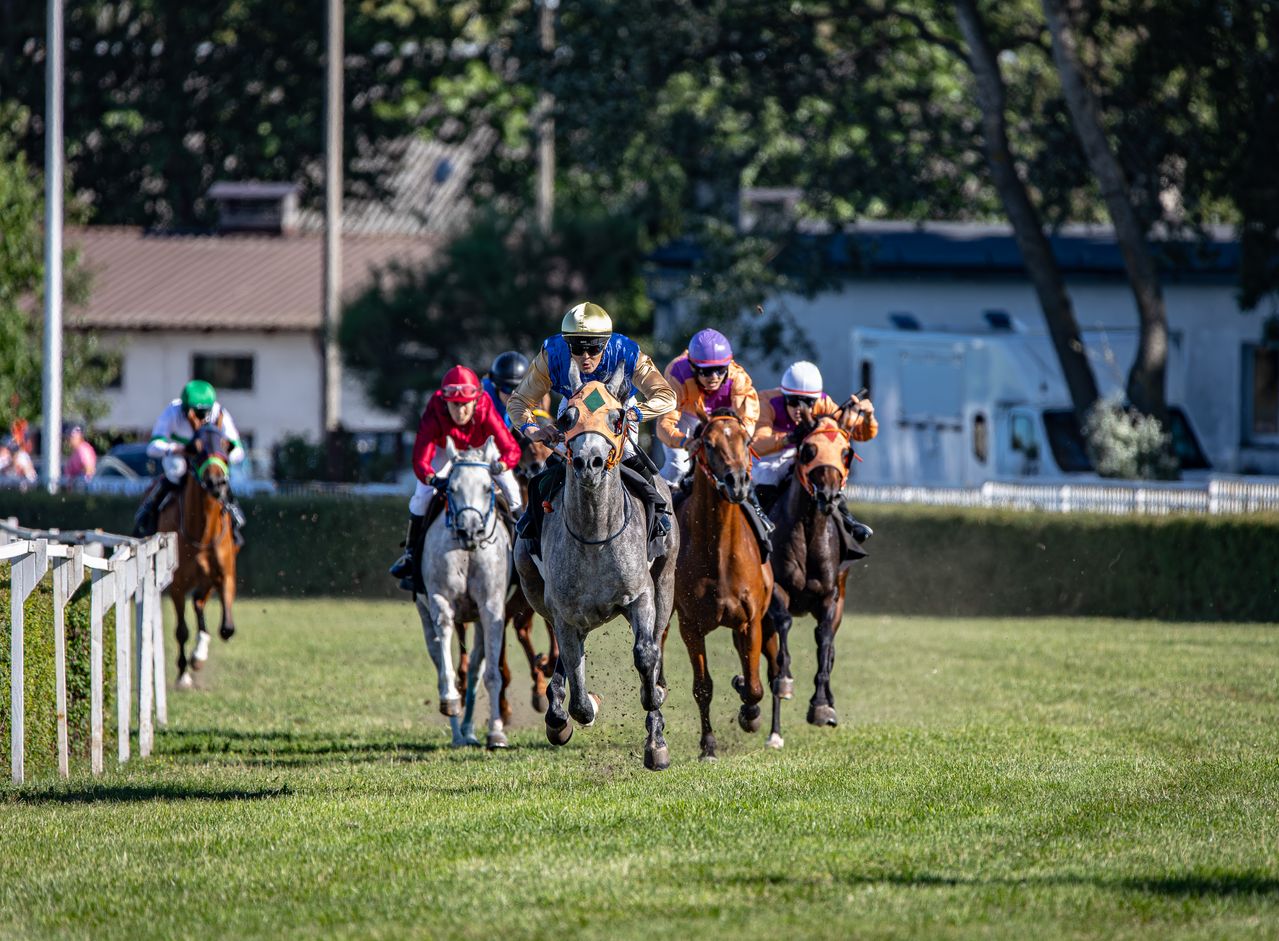 Two famous names in jumps racing tell very different stories. Cheltenham draws major crowds and leading horses to the Cotswolds each March, while New Zealand’s historic Great Northern Steeplechase represents a smaller tradition shaped by cooler-season conditions and demanding staying contests.
They can’t be compared as identical events. Cheltenham is a four-day festival featuring numerous championship races, while the Great Northern is a single steeplechase whose history has recently entered a new chapter. Yet both show why jumping ability, stamina and sound judgement matter so much to the sport.
New Zealand’s Great Northern: a tradition in transition
For more than a century, the Great Northern Steeplechase was associated with Ellerslie Racecourse in Auckland. Its reputation rested on the endurance needed to complete a marathon contest over fences, and it became one of New Zealand’s best-known jumping races.
In July 2025, the Great Northern Hurdles and Great Northern Steeplechase were renamed the Great New Zealand Hurdle and Great New Zealand Steeplechase, reflecting the races’ move to Te Aroha. The Great Northern name now describes the steeplechase’s historical identity rather than its current title.
That history includes the remarkable 1965 double by Smoke Ring, ridden by Buzz Leggett, who won both the Great Northern Hurdles and the Great Northern Steeplechase over Queen’s Birthday weekend. It remains a standout example of a horse succeeding across two jumping disciplines.
The modern race is still a serious test. On 20 September 2026, the Great New Zealand Steeplechase was run over 6,200 metres at Te Aroha. Christmas, trained in Australia by Paul Preusker and ridden by Darryl Horner Jnr, held off Captains Run to win by a length and a quarter. The result showed how a New Zealand fixture can still attract competitors from across the Tasman.
Racing’s pull in New Zealand also extends beyond the track. The sport’s imagery turns up in online pokies such as Front Runner Link & Win, a race-day-themed game that Spin Casino New Zealand lists among its titles. Like other themed pokies, it borrows the look of a day at the races while remaining entirely separate from live racing and results like Christmas’s win at Te Aroha.
Cheltenham’s four days of championship racing
The Cheltenham Festival takes place over four days in March, bringing together leading horses, trainers and jockeys, particularly from Britain and Ireland. Its programme includes the Champion Hurdle, Ryanair Chase and Cheltenham Gold Cup, each testing a different mix of speed, jumping and stamina.
The 2026 Festival attracted 226,223 spectators across its four days, up 3.7 per cent on 2025. On Gold Cup day, Gaelic Warrior, trained by Willie Mullins and ridden by Paul Townend, won the feature by eight lengths. The win gave Townend a record fifth Gold Cup as a jockey. Contests like these draw attention well beyond the racecourse, helped by Cheltenham’s established identity and the continuing rivalry between British and Irish connections.
The Festival is also a major local economic event. A University of Gloucestershire study estimated that the 2022 edition generated £274 million in economic activity for the Cheltenham area, up from around £100 million in 2016. That figure relates specifically to 2022 rather than representing a fixed annual contribution.
Comparing the races and their formats
The closest like-for-like comparison is between the Great New Zealand Steeplechase and the Cheltenham Gold Cup, not between the New Zealand race and the Festival as a whole. Both are long contests over fences in which horses must conserve energy, jump accurately and respond to their riders over an extended distance.
The Gold Cup is run over three miles, two furlongs and 70 yards, roughly 5,300 metres. The 2026 Great New Zealand Steeplechase covered 6,200 metres, making it considerably longer, but distance alone doesn’t determine difficulty. Course layout, fences, pace, and ground conditions all shape the test as it faces the runners.
The surrounding programmes differ as well. Cheltenham stages 28 races across four days, including hurdles and steeplechases. New Zealand’s Great New Zealand Jumps Carnival took place over two days at Te Aroha in September 2026, showcasing the country’s major hurdle and steeplechase events.
The challenges facing New Zealand jumps racing
New Zealand’s smaller jumps programme has faced a sustained decline in participation. In a 2024 consultation document, New Zealand Thoroughbred Racing (NZTR) reported that the number of jumps races fell from 122 in FY10 to 61 in FY23. Over the same period, the number of participating trainers dropped from 146 to 54, while jockey numbers halved.
That decline prompted a consultation on the sport’s future, alongside ongoing attention to horse and rider welfare. Safety work in jumps racing aims to reduce identified risks, though no measure can remove them entirely.
The 2026 season nevertheless comprised 61 races across seven venues. That shows an active, if comparatively small, programme. The relocation and renaming of the Great Northern races can be understood as part of wider efforts to keep the calendar viable.
Different scales, a shared sporting test
Cheltenham’s large crowds, championship programme and commercial reach create an atmosphere unlike New Zealand’s smaller meetings. Te Aroha offers a different setting, where a long-standing race has been adapted to a new venue while keeping its place in New Zealand racing history.
Neither tradition can be reduced to attendance figures or prize money. Their common ground is the sporting challenge: horses and jockeys negotiating fences, managing changing conditions and finding enough stamina for the finish.
Conclusion
The Great Northern Steeplechase and Cheltenham illustrate two sides of jumps racing. Cheltenham represents a large, established international festival, while the renamed Great New Zealand Steeplechase reflects a historic race adjusting to present-day pressures. Comparing them reveals not only their differences in scale and distance, but also the skill and careful preparation needed to compete over fences.