Why Autumn Form Matters on the Road to Cheltenham
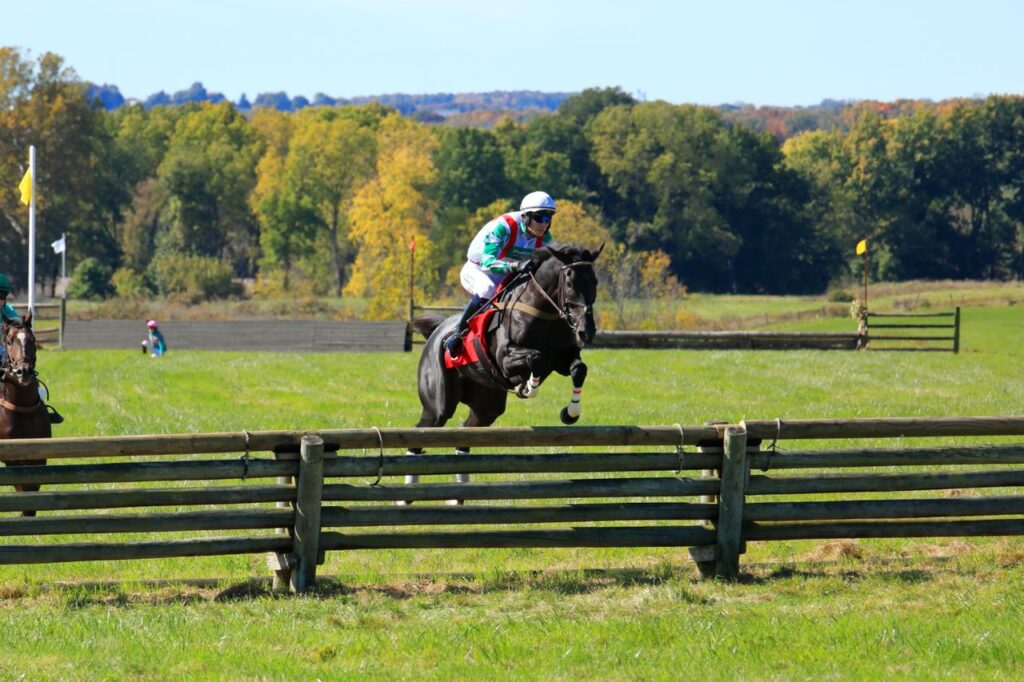 The Cheltenham Festival may not take place until March, but the picture for the four-day showpiece begins to develop as soon as the National Hunt season gathers pace in autumn. Established performers return from their summer breaks, novice hurdlers and chasers begin to reveal their potential, and trainers start mapping out the routes that they hope will lead to Prestbury Park.
Autumn form can be informative, but it is rarely conclusive. A horse making its seasonal reappearance may be fit enough to run creditably without being fully tuned for victory, while another may have been prepared specifically to perform well when fresh. Previous campaigns can provide useful context, particularly when deciding whether a defeat represents a genuine setback or simply the first stage of a longer programme.
Jumping is often more revealing than the bare result. A novice who travels strongly and negotiates every obstacle fluently may emerge with credit even if beaten, especially when conceding experience or fitness to the winner. Conversely, an impressive winning margin can disguise mistakes that would be punished in a faster race against stronger opposition.
Our 2027 Cheltenham Festival preview outlines the dates, principal races, and early names associated with the meeting. The Festival is scheduled for Tuesday 16 March to Friday 19 March, with 28 races spread evenly across the four days. Much will change before then, not least because novice form, injuries and running plans can quickly alter the shape of an ante-post market.
Distance is another important consideration. A horse with enough speed to win over two miles in October may eventually prove better suited by an intermediate trip, while a future staying prospect can appear outpaced before being asked to race over a more suitable distance. Ground conditions, field size, and course direction can also make apparently similar performances difficult to compare.
These uncertainties are reflected in Cheltenham Festival betting, where ante-post prices can shorten after a striking trial or ease following a disappointing return. Such movements reflect the information available at the time, rather than guaranteeing that a horse will take part in the nominated race. Entries, setbacks, and changes of target remain part of the risk several months before the Festival.
Previous Cheltenham form retains obvious value because Prestbury Park presents a distinctive test. The left-handed track is undulating, and the uphill finish places additional demands on horses that have already raced at championship pace. Not every Festival winner needs previous course experience, but a strong performance at Cheltenham can answer questions about balance, jumping, and the ability to maintain an effort after the final turn.
The Old Course is used for the first two days of the Festival, while the New Course stages the racing on Thursday and Friday. The different layouts mean that course form should be examined with more care than a simple Cheltenham win or place beside a horse’s name might suggest.
According to the official Cheltenham 2026/27 season guide, the Showcase takes place on October 23 and 24, followed by the November Meeting from November 13 to 15. Both fixtures offer valuable opportunities to assess horses at the Festival venue before the winter programme begins in earnest.
A winner at the Showcase is not automatically destined for Festival success. The opposition will be stronger in March, the fields are likely to be deeper, and the ground may bear little resemblance to autumn conditions. Nevertheless, these meetings can reveal whether a novice handles the course or whether an established runner retains the ability and enthusiasm required for another campaign.
The road to Cheltenham remains long. Autumn starts the discussion, winter strengthens or weakens the evidence, and final declarations determine which questions will actually be answered at the Festival.