The Vibe of Lights: Why Casinos Feel Special After Midnight?
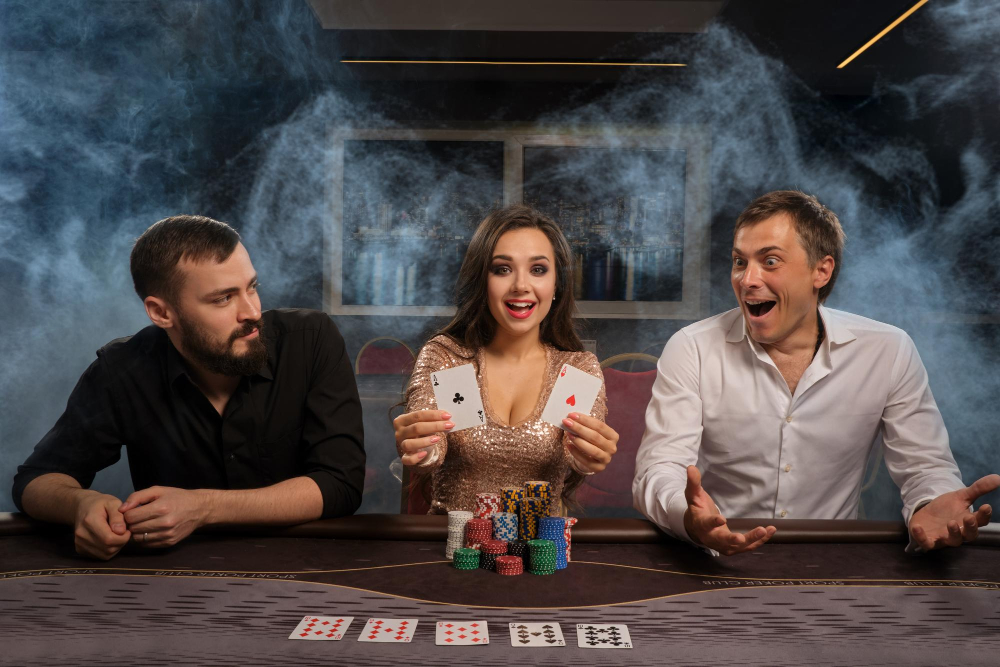 Step into a casino after midnight and the atmosphere shifts in a subtle but powerful way. The space feels detached from real time, almost like a parallel environment where normal rules fade. This effect is not accidental but carefully engineered.
Designers build casinos to blur the sense of time and amplify focus on the present moment. The deeper into the night you go, the stronger that illusion becomes.
Light, Sound, and the Illusion of Time
Casinos are famously windowless, and that choice is strategic. Without natural light cues, your brain struggles to track time, which weakens your internal clock and stretches your perception of how long you have been playing.
This same sensory control appears in digital environments too, where users move between formats like sports betting India and physical venues without a clear break in rhythm. The continuity keeps attention locked in, regardless of the setting.
The environment is shaped through multiple layers:
- Warm, low lighting that avoids harsh contrasts and reduces fatigue signals
- Continuous ambient sound that masks silence and prevents awareness of time passing
- Repetitive visual cues from screens and slot machines that create a steady mental loop
- Layout designs that remove straight paths, encouraging wandering instead of exits
Together, these elements form a closed sensory system. You are not just inside a building, you are inside a controlled experience.
That is why midnight often feels like the peak moment. Your brain is already slightly tired, and the environment fills in the gaps with stimulation.
Crowd Energy After Dark
The people inside casinos change as the night deepens. Early evening visitors are often casual, but after midnight the mix shifts toward tourists, night owls, and players willing to stay longer.
Fatigue plays a quiet role here. When people are tired, they process risk differently and react more emotionally to wins and losses. This is part of what drives the intensity around late-night jackpots and group excitement.
Social energy also rises. Small wins feel bigger when shared, and losses are easier to dismiss in a lively crowd. According to research summarized in the psychology of problem gambling, environmental and emotional factors can significantly influence decision-making during play.
Smart Atmospheres and Adaptive Tech
By 2026, casinos are moving beyond static design into responsive environments. Sensors track movement, noise levels, and even player behavior to adjust lighting and sound in real time.
In some venues, systems subtly brighten areas with more activity or shift music tempo based on crowd density. This creates a dynamic atmosphere that feels alive rather than fixed.
The same behavioral logic is mirrored in mobile experiences, where tools like an indian cricket betting app adapt interfaces to user habits and timing. While the format differs, the goal remains consistent: maintain engagement through personalization.
This evolution is especially visible in Asian markets. As noted in this Macau casino case study, operators are investing heavily in smart tables and data-driven design to refine how players interact with the space.
When Time Slips Away
The most important factor behind the midnight effect is time distortion. Without clear signals, hours compress into what feels like a short stretch.
This can lead to a few common patterns:
- Longer sessions than originally planned
- Faster decision-making with less reflection
- Increased spending tied to emotional reactions rather than strategy
These effects do not mean the experience is negative. They explain why it feels so immersive and why it is easy to lose track of limits.
Understanding this design helps you stay aware. Midnight in a casino can feel electric and memorable, but it also demands a bit more attention to your own state of mind.
 The 152nd Kentucky Derby will be held on the 2nd of May 2026. While the jockeys are preparing for this momentous race, punters are preparing their betting strategies. Some are betting on the fan favourite Commandment, while others hope Danon Bourbon will secure the first Kentucky Derby win for a Japanese horse. Read on to learn about the various picks and some important trends.
 At this years’ Cheltenham Festival, there was no shortage of VIPs, ranging from famous music artists to former footballers.
  Horse racing has been a popular sport in the UK for centuries, captivating the imaginations of millions worldwide. From passionate fans to casual spectators and the unforgettable jockeys that make all of this happen. Skilled riders guide their horses through difficult race courses, often making split-second decisions that can change the overall outcome of a race, which is a key factor to consider when
  If you have been betting on Cheltenham for a few years‚ you will have noticed something․ Even high street names such as William Hill‚ Ladbrokes, and Coral are still there‚ but many of the Festival regulars are betting elsewhere․